
Article Overview 🔎
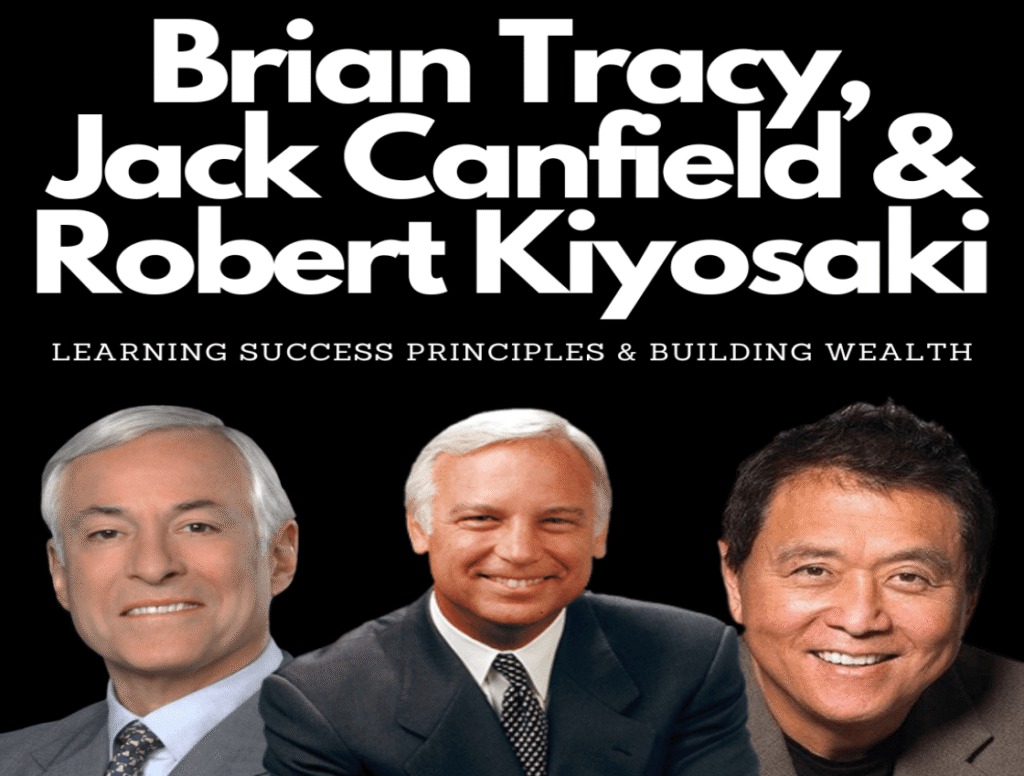
There are many successful people to learn key wealth principles from. Brian Tracy, Jack Canfield and Robert Kiyosaki are among many people’s favorites. It is easy to obtain their knowledge from their calm, warm demeanours and skill of breaking down information into digestible chunks.
Brian Tracy’s Background, Books and Videos 🧠
Brian Tracy has consulted for more than 1,000 companies and addressed more than 5,000,000 people in 5,000 talks and seminars throughout the US, Canada and 70 other countries worldwide. He has studied, researched, written and spoken for 30 years in the fields of economics, history, business, philosophy, and psychology. He is the top selling author of over 70 books that have been translated into dozens of languages.
His most popular books include The Psychology of Selling: Increase Your Sales Faster and Easier Than You Ever Thought Possible, Eat That Frog!: Get More Of The Important Things Done Today, No Excuses!: The Power of Self-Discipline for Success in Your Life, Maximum Achievement: Strategies and Skills That Will Unlock Your Hidden Powers to Succeed, Goals!: How to Get Everything You Want – Faster Than You Ever Thought Possible, and Million Dollar Habits: Proven Power Practices to Double and Triple Your Income. His catalog of books can be viewed here.
He has written and produced more than 300 audio and video learning programs, including the worldwide, best-selling Psychology of Achievement, which has been translated into more than 28 languages. You can view the videos below on the psychology of achievement, starting with his advice to solve any problem by sitting in silence for 30-60 minutes and listen to “the still small voice within”.
Video 1 – Listen to “The Still Small Voice Within”
Brain Tracy has a wealth of valuable knowledge that he shares. In this clip, he teaches a simple, practical method to solve any problem/make the right decision/help decisiveness and gain inspiration. This method is simply to sit in silence for 30-60 minutes and listen to “the still small voice within”:
“Go into the silence. Go and sit down quietly by yourself for 30 to 60 minutes. 30 to 60 minutes. Most people in our society have never sat quietly for 30 to 60 minutes in their entire lives. Yet I will tell you this, this method works 100% of the time. That any problem that you have, any difficulty, any challenge, any goal that you want to accomplish, if you’ll go into the silence and sit quietly and then listen to the still small voice within.
The still small voice within. This is the key. You will find that at a certain point, probably at about 25 to 30 minutes, your mind will go completely clear and then a flow of ideas will start to flow into your mind. You’ll feel energy welling up inside you and at a precise moment, as you sit there in complete silence, your mind will go clear and wow, exactly the answer you need will come at exactly the right time.”
Videos 2-7 – The Psychology of Achievement
These videos are of Brian Tracy’s lecture where he shares the teachings of his highly acclaimed book The Psychology of Achievement. The overall message of the book is that success is a skill you can learn by controlling your thinking, setting clear goals, and taking consistent action. He emphasizes that psychology (mindset and habits) is the main driver of achievement, not talent or luck. The main points are listed below.
1. You become what you think about
- Your thoughts shape your beliefs, actions, and results.
- Positive, goal-focused thinking leads to better outcomes.
2. Goals are essential
- Most people fail because they don’t have clear goals.
- You should:
- Write down your goals.
- Make them specific and measurable.
- Review them daily.
3. Self-concept determines performance
- Your self-image sets the limits or unlocks the potential of what you achieve.
- To improve results, you must:
- See yourself as successful.
- Act like the person you want to become.
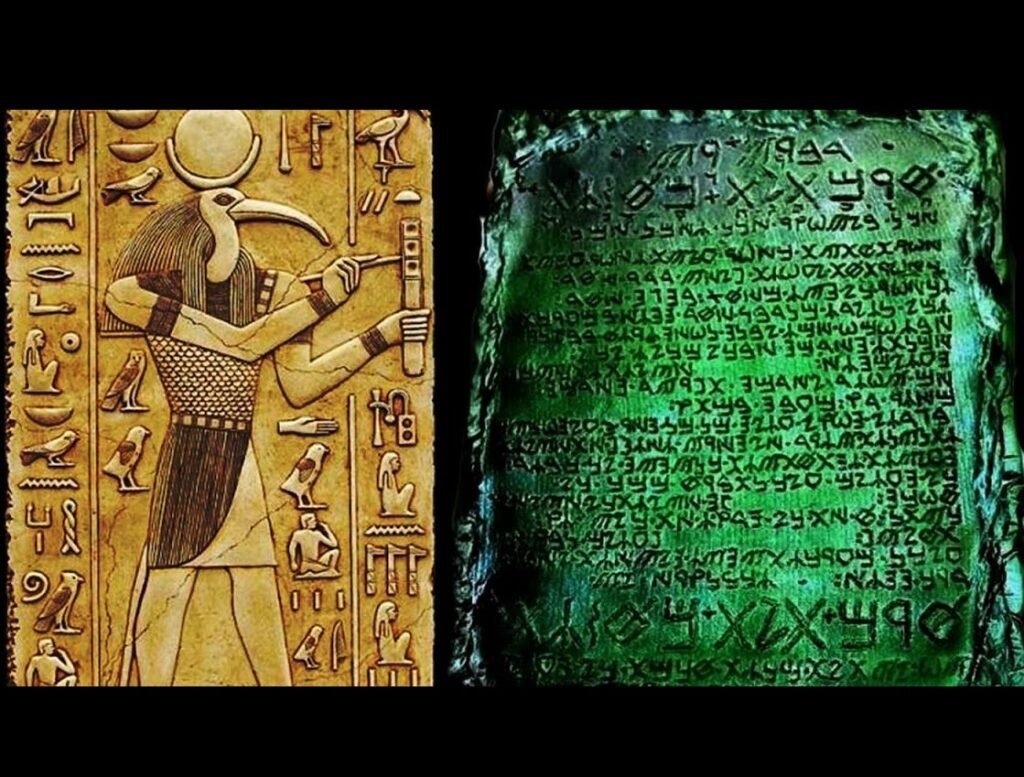
4. The Law of Cause and Effect (a Hermetic Principle of the Universe)
- Every result has a cause.
- Success leaves clues; if you do what successful people do, you’ll get similar results.
5. Positive mental attitude
- Optimism, confidence, and persistence are critical.
- Negative thinking leads to fear, procrastination, and failure.
6. Responsibility and control
- You must take full responsibility for your life.
- Blaming others keeps you stuck.
7. Continuous action
- Action builds confidence, momentum, and clarity.
- The more you act, the more opportunities appear.
8. Habit formation
- Success is built through daily habits, not one-time effort.
- Discipline and repetition are key.
Practical advice from the book:
- Write and review goals daily.
- Replace negative thoughts with positive ones.
- Visualize success.
- Take action immediately.
- Learn continuously.
Summary:
Achievement comes from setting clear goals, developing a strong self-concept, and consistently taking disciplined action guided by positive thinking.


You can read more on Brian Tracy via his category here and on his website here.
Jack Canfield’s Background, Books and Videos👏
New York Times best selling author Jack Canfield is a popular teacher on success and the Law of Attraction. He is one of America’s leading authorities on success and personal fulfilment. He is the founder of the billion-dollar Chicken Soup for the Soul™ publishing empire, a multiple New York Times bestselling author, has sold 500+ million books worldwide and has trained 2,900+ Canfield Success Principles Trainers in 107 countries.
His most renowned books are Chicken Soup for the Soul and The Success Principles: How to Get from Where You Are to Where You Want to Be. More of his books can be found here. He also starred in the renowned Law of Attraction film The Secret, sharing insights from his books and philosophies. More of his work and teachings can be viewed below.
Video 1 – Chicken Soup for the Soul
This video is the audio of a Jack Canfield conference where he shares his teachings from his most famous book, Chicken Soup for the Soul. Teachings include that real change and inspiration come from simple, emotional, real-life stories that teach lessons about hope, love, resilience, and human connection. Unlike traditional self-help books, this one doesn’t focus on systems or formulas; it focuses on stories that shift perspective and mindset. It is a collection of short, true inspirational stories from everyday people. Each story is designed to:
- Uplift emotionally
- Teach a life lesson
- Encourage personal growth
- Help people see meaning in hardship
Main areas of discussion:
- Overcoming adversity – Stories of people that faced illness, loss, failure, or hardship. Proves that setbacks can lead to growth and transformation.
- Hope and positivity – Encourages maintaining optimism even in difficult times. Focuses on emotional resilience and faith in better outcomes.
- Love and kindness – Highlights the impact of compassion, generosity, and connection. Shows how small acts of kindness can change lives.
- Self-belief and courage – Many stories show people achieving success after believing in themselves. Encourages stepping out of fear and into action.
- Gratitude and perspective – Appreciating life’s small moments leads to greater happiness. Demonstrates that how you interpret challenges is based on perspective.
Structure of the book:
- Not a step-by-step guide, it’s a collection of short stories each followed by a simple moral or lesson.
- Designed for emotional reflection rather than instruction.
Summary:
The book teaches that personal transformation comes from inspiring real-life stories that build hope, gratitude, resilience, and a more positive outlook on life.

Videos 2 & 3 – The Success Principles: How to Get from Where You Are to Where You Want to Be
This video is of a Jack Canfield conference where he shares his teachings from another of his highly acclaimed books, The Success Principles: How to Get from Where You Are to Where You Want to Be. Teachings include that success is predictable if you take full responsibility, set clear goals, and consistently apply proven principles. This book is a practical, step-by-step system for achieving personal and professional goals. The main points discussed are listed below.
Key principles:
- Take 100% responsibility – Your results are your responsibility; don’t blame circumstances, people, or luck.
- Be clear about what you want – Define specific goals; write them down and review them regularly.
- Believe it’s possible – Your beliefs determine your results (linking to the Law of Correspondence in the Hermetic Principles of the Universe; “As within, so without”). Replace limiting beliefs with empowering ones.
- Take consistent action – Action is required; thinking alone isn’t enough. Success comes from persistence and follow-through.
- Feel the fear and do it anyway – Fear is normal, don’t wait to feel confident before acting.
- Commit to lifelong learning – Continuously improve your skills and knowledge.
- Use visualization and affirmations – Mentally rehearse success; train your subconscious mind.
- Surround yourself with the right people – Build supportive relationships and learn from mentors and successful individuals.
- Manage your time and energy – Focus on high-priority tasks. Avoid distractions and time-wasting habits.
- Take care of your habits – Daily habits determine long-term success. Discipline is key.
Key teachings:
- Responsibility is power – Taking ownership of your life is the starting point for change.
- Action creates results – Clarity, action, and persistence lead to progress.
- Mindset matters – Beliefs, confidence, and attitude shape outcomes.
- Success is learnable – Anyone can improve by applying these principles consistently.
Summary:
You can achieve any goal by taking full responsibility, getting clear on what you want, and consistently applying disciplined action and positive mindset principles.


Videos 4 & 5 – Jack Canfield on Signs from the Universe and Success
In these videos, Hack Canfield shares how success comes from aligning your actions with inner guidance (intuition, joy, purpose) while taking consistent action and staying open to opportunities and feedback from life. Some of the main points discussed are listed below.
1. The “Universe” communicates through signals
- Canfield teaches that life constantly gives you feedback and direction, but it’s not always obvious.
- Main signals to pay attention to:
- Joy means you’re on the right path.
- Pain/discomfort means something needs to change.
- Recurring thoughts/dreams means unresolved issues or desires.
- Intuition (inner voice) means internal guidance.
- Life events (setbacks/opportunities) means redirection toward growth
- Nothing is random, everything can be interpreted as guidance.
2. Joy is your internal compass
- Joy signals alignment with your purpose.
- Lack of joy signals misalignment.
- Instead of forcing life:
- Move toward what feels meaningful and energizing.
- Adjust when something consistently feels wrong.
3. Pain is feedback, not something to ignore
- Physical or emotional pain often signals:
- Unresolved emotions.
- Unhealthy situations.
- Misaligned choices.
- Don’t numb pain, understand and respond to it.
4. Intuition and stillness brings clarity
- You already have answers internally, but constant noise (stress, distraction) blocks them.
- Meditation, reflection, and quiet thinking are tools to tap into intuition.
5. Ask for guidance (and stay open)
- You can actively “ask” for direction (through prayer, reflection, journaling).
- Answers often come through ideas, people, opportunities, and coincidences.
6. Action is required
- Take responsibility for your life.
- Set clear goals.
- Act consistently.
- The “universe helps” only after you move/take action.
7. Opportunities follow commitment
- When you commit to a goal people appear, resources show up, and new paths open.
- This is often described as “synchronicity” and being “in flow”.
8. Belief and expectation matter
- Expecting positive outcomes makes you more likely to notice opportunities, take action, and persist.
9. Take responsibility and stay aware
- You are responsible for your results.
- Life gives feedback constantly.
- Your job is to notice, interpret, and act.
Summary:
Pay attention to joy, pain, and intuition as guidance, take full responsibility for your life, and act consistently because once you commit and move forward, opportunities and support begin to appear.


You can read more on Jack Canfield via his category here and on his website here.
Robert Kiyosaki’s Background, Books and Videos 🏠
Best known as an author Robert Kiyosaki wrote the #1 personal finance book of all time, Rich Dad Poor Dad. He has challenged and changed the way tens of millions of people around the world think about money. He is an entrepreneur, educator, and investor who believes the world needs more entrepreneurs who will create jobs.
His other highly acclaimed books include Rich Dad’s Cashflow Quadrant: Guide to Financial Freedom, Rich Dad’s Guide to Investing: What the Rich Invest In That the Poor and Middle Class Do Not!, Rich Dad’s Increase Your Financial IQ: Get Smarter with Your Money, FAKE: Fake Money, Fake Teachers, Fake Assets: How Lies Are Making the Poor and Middle Class Poorer, and more can be found here.
One of Robert Kiyosaki’s main principles is defining an asset as something that pays you and a liability as something that costs you money. For example, if your house is costing you money each month it’s a liability, if it makes you money, it’s an asset. He focuses on building up as many assets as he can. The videos below also share some of his key teachings and insights.
Video 1 – Rich Dad Poor Dad Complete audio book Robert Kiyosaki
This video is the audio of his world renowned book Rich Dad Poor Dad. The key principles of this book are listed below.
The rich don’t work for money, they make money work for them.
The book contrasts two mindsets:
- “Poor Dad” (his biological father) – Educated, job-focused, financially struggling.
- “Rich Dad” (his mentor) – Business-minded, financially intelligent, wealthy.
Key teachings:
1. Assets vs liabilities (most important concept)
- Assets put money in your pocket (e.g. businesses, investments, rental income).
- Liabilities take money out of your pocket (e.g. expensive homes, cars, debt).
- Buy assets, reduce liabilities.
2. Don’t work for money, build systems
- Most people work for a paycheck and rely on job security.
- The wealthy build businesses and investments, creating income without constant work.
- Passive income creates financial freedom.
3. Financial education is critical
- Schools don’t teach money skills.
- You must learn investing, accounting, and business.
- Without financial education people earn more to spend more and stay stuck.
4. Mindset matters more than income
- It’s not how much you earn, it’s how you think about money and how you manage it.
- Many high earners are still broke.
- Some lower earners become wealthy through investing.
5. Overcome fear and take risks
- Fear (of losing money, failing) keeps people stuck.
- Wealthy people take calculated risks and learn from failure.
6. Make money work for you
- Use income to buy assets and reinvest profits.
- Over time, assets produce enough income to cover expenses.
- This leads to financial independence.
7. The “rat race”
- Many people are stuck in a cycle of earning money to spend it and to apply for debt (and repeat this cycle).
- Escape by building assets and increasing passive income.
Key takeaway formula:
- Earn money.
- Buy assets.
- Let assets generate income.
- Reinvest.
- Repeat.
Summary:
Financial freedom comes from building income-generating assets and developing the mindset and knowledge to make money work for you instead of working for money.

Video 2 – Rich Dad’s Guide to Investing
This video shares his advice on some of the investment strategies from his highly acclaimed book Rich Dad’s Guide to Investing: What the Rich Invest In That the Poor and Middle Class Do Not!. The key concepts are listed below.
Wealth is built by owning and growing assets, not by working for a salary. Kiyosaki contrasts two mindsets:
- Employee mindset works for money.
- Investor/owner mindset builds systems that generate money.
1. Build assets that generate more assets
- Don’t rely on income from a job.
- Create or invest in assets (businesses, investments) that produce cash flow.
- Use that cash flow to buy more assets.
- Create a compounding “money machine”.
2. Use debt strategically (good vs bad debt)
- Bad debt – Used for liabilities (cars, expensive lifestyle), reducing cash flow.
- Good debt – Used to buy or grow assets, increasing cash flow.
- The rich use debt to grow wealth, not fund consumption.
3. Think like an owner, not an employee
- Employees try to maximize salary and minimize expenses.
- Investors/owners keep personal income low (reinvest profits) and increase productive expenses (education, hiring, assets).
- Spend money to grow income, not just to live.
4. The “3 E’s” of investing
- To succeed financially, you need:
- Education – Understand money, business, and financial statements.
- Experience – Start businesses, try things, fail, learn.
- Excess cash – Comes after the first two, then fuels more investments.
- Knowledge and action creates opportunities that generate money.
5. Start now (even small)
- Don’t wait for the “perfect time”.
- Start a business or start investing on the side.
- Expect failure, it’s part of the process.
- You only need to succeed once, but you must start.
Important mindset shift:
- Poor/middle-class pattern – Earn to spend, take on debt, and stay dependent on a job.
- Wealthy pattern – Build assets to generate cash flow, reinvest, and grow wealth.
Summary:
Build wealth by creating income-generating assets, using debt wisely to expand them, reinvesting continuously, and learning through action rather than relying on a paycheck.

You can read more on Robert Kiyosaki via his category here and on his website here.